
Closing Your Practice?
🏥 Manage and Dispose of Healthcare Records the Right Way
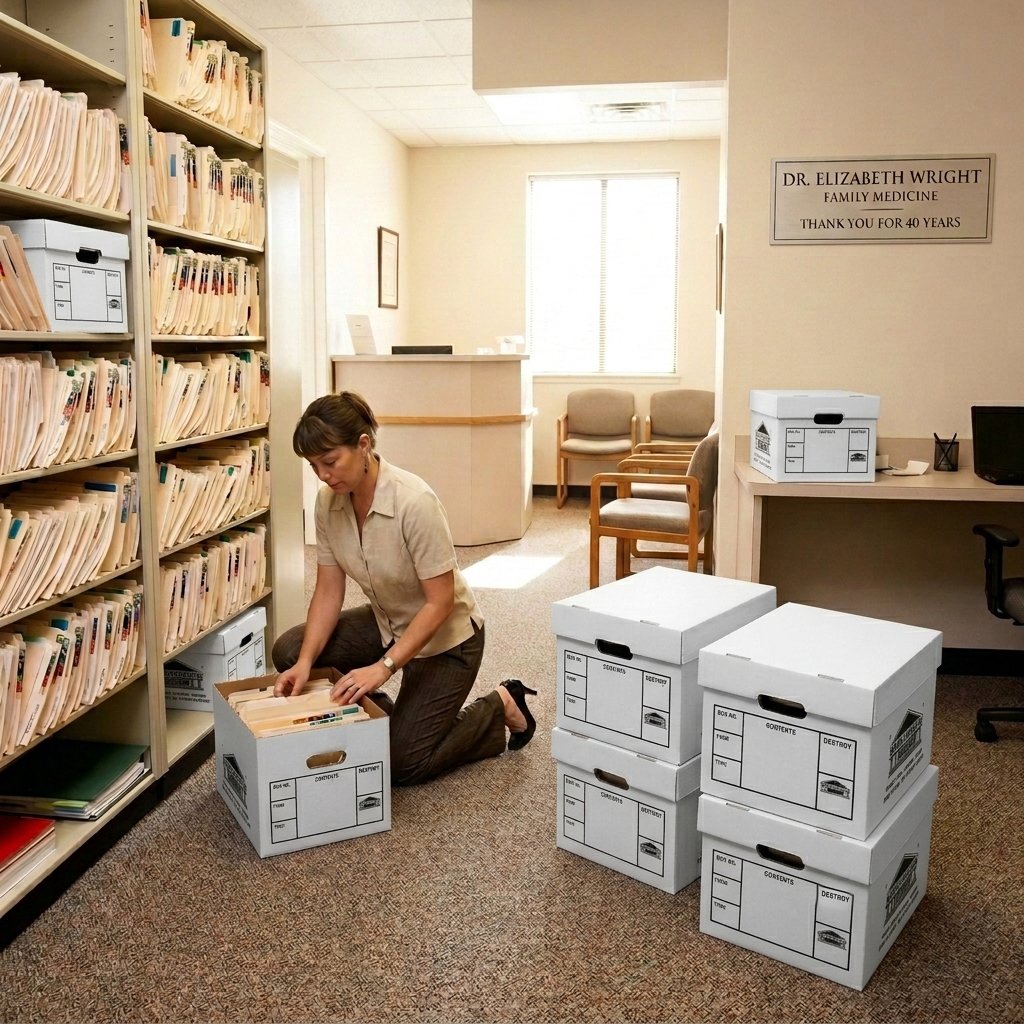
We supply everything you need to pack, move, and protect your files.
Closing or retiring from a medical practice involves more than turning off the lights—it requires a carefully managed plan for handling patient records. From retention requirements to secure document destruction, healthcare providers must remain compliant with strict regulations even after operations end.
Partnering with a Medical Records Custodian, like National Archives Inc., is one of the most effective ways to ensure your records are managed, stored, and disposed of properly—without putting your practice at risk.
What Is a Medical Records Custodian?
A Medical Records Custodian is a qualified third-party organization responsible for managing patient records after a healthcare practice closes. Custodians oversee the secure storage, retrieval, retention, and eventual destruction of medical records while ensuring patients and authorized parties maintain access to their information.
Working with a custodian helps:
Ensure compliance with HIPAA and state laws
Maintain patient access to records
Reduce administrative burden and legal risk
Why Medical Records Still Matter After You Close Your Practice
Even after your practice closes, your responsibilities don’t end. Patient records must remain:
Secure under HIPAA regulations
Accessible to patients and authorized individuals
Maintained for legally required retention periods
Failing to meet these obligations can lead to serious consequences, including fines, legal exposure, and reputational harm. [legalclarity.org]
Medical Record Retention Requirements You Need to Know
One of the biggest challenges when closing a practice is understanding how long to keep healthcare documents.
HIPAA requires certain records to be retained for at least six years
State laws often require 7–10 years or more for patient records
Pediatric records may need to be kept longer (until adulthood + additional years)
Because these timelines vary, following the longest applicable retention period is essential before disposing of any documents.
When and How to Dispose of Healthcare Documents
Once records reach the end of their retention period, they must be destroyed securely.
HIPAA requires that protected health information (PHI) be rendered completely unreadable and impossible to reconstruct.
Secure document disposal methods we offer:
Other ways of disposal can result in HIPAA violations and costly penalties.
The Challenges of Managing Records During a Practice Closure
Closing a medical office involves more than just storage and disposal. You must also:
Notify patients of your closure
Provide access to their medical records
Ensure ongoing compliance with HIPAA
Manage both physical and electronic files
Navigating all of this on your own can feel overwhelming—but we’re here to guide you every step of the way, providing support, expertise, and peace of mind throughout the entire process.
How National Archives Helps You Close Your Practice the Right Way
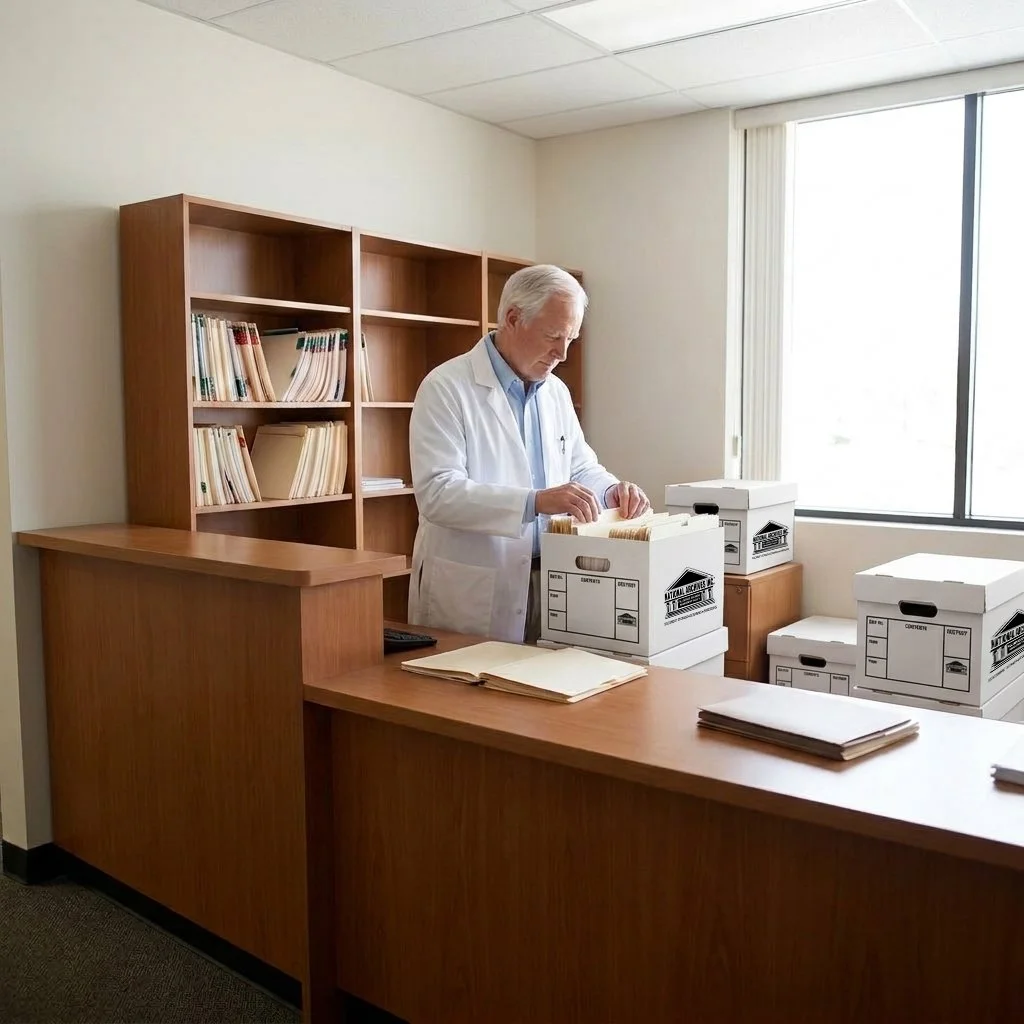
For healthcare providers in New York and Long Island, National Archives offers comprehensive medical records custodian servicesdesigned specifically for closing or retiring practices.
✅ Full Lifecycle Records Management
National Archives handles everything from collection and storage to retention and final destruction, ensuring your documents remain secure and compliant at every stage.
📦 Secure Record Collection and Storage
Our team helps:
Pack and transport paper records securely
Export and organize electronic medical records
Store documents in HIPAA-compliant facilities
Manage patient records throughout their entire lifecycle
📢 Patient Notification and Communication
Properly notifying patients is a legal requirement.
National Archives assists by:
Helping draft patient notification letters
Providing clear instructions for obtaining records
Ensuring all communication meets regulatory standards
🔍 Ongoing Record Access and Retrieval
After your practice is closed, patients, attorneys, and insurers may still request records.
Manages all record requests
Ensures fast, secure retrieval
Maintains accessibility for years to come
🔐 HIPAA-Compliant Storage and Destruction
We ensure:
Secure storage for required retention periods
Full compliance with HIPAA and state regulations
Certified, secure document destruction when eligible
Why Choosing a Medical Records Custodian Is the Smart Move
Instead of managing records yourself, partnering with a professional custodian allows you to:
Avoid costly compliance mistakes
Free up time during your transition
Ensure patients always have access to their records
Protect your practice from future legal risk
Trust us to securely preserve and manage your medical records after your business closes, ensuring continued access, compliance, and peace of mind.