

Medical Records
Custodian
Custodial Records Management SERVICES
with National Archives Inc.
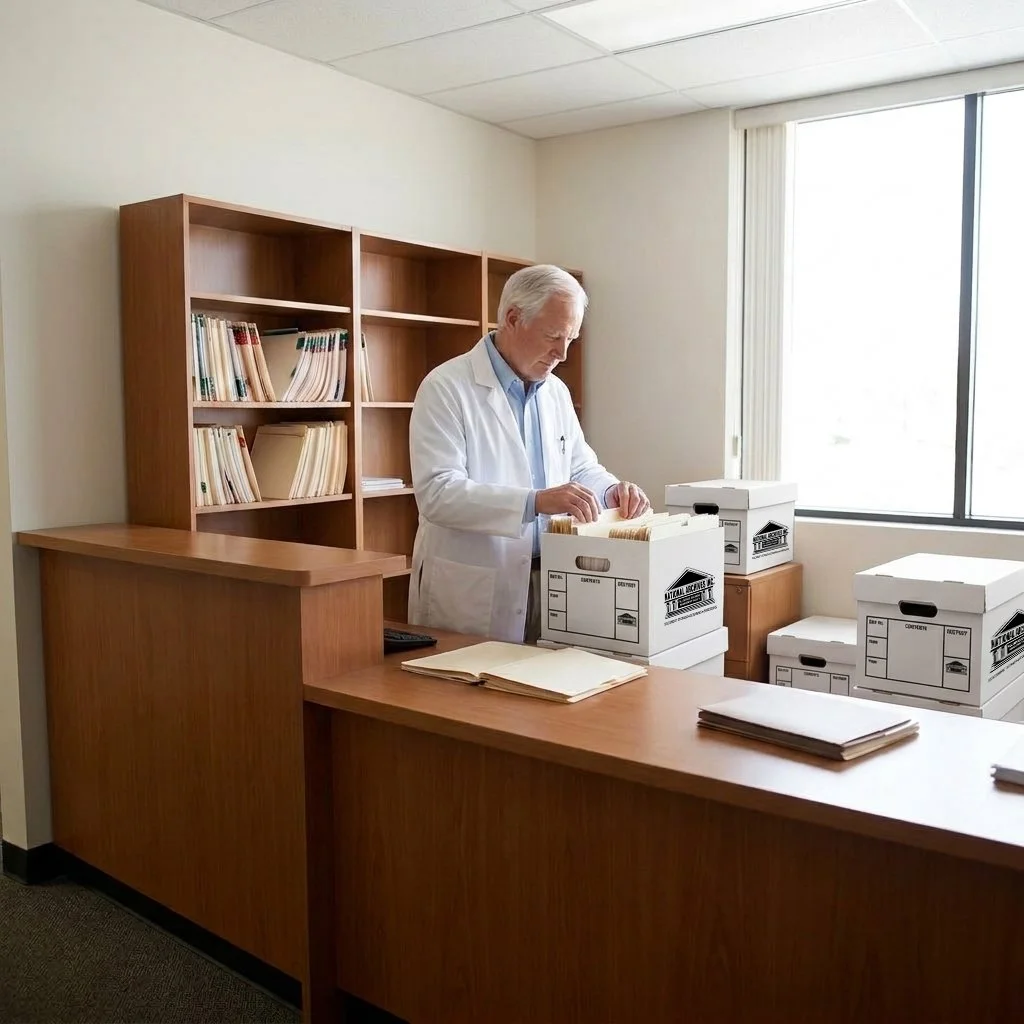
Secure HIPAA-Compliant Records Management
Protecting Protected Health Information (PHI) is our priority. We provide:
Secure records storage
HIPAA-compliant management
Authorized records retrieval
Prompt response to patient, legal, insurance, and healthcare requests
Complete Records Lifecycle Management
Our custodial records management services cover every stage of the document lifecycle, including:
Record intake and organization
Secure storage and monitoring
On-demand retrieval and delivery
Final disposition and destruction
By combining secure storage with expert management, we help reduce risk, improve efficiency, and maintain compliance.
View our Records Request Page here:
Patient Records Request
What Is Custodial Records Management?
Custodial records management is the secure and systematic process of organizing, storing, accessing, and managing records throughout their entire lifecycle. This includes the creation, retention, retrieval, and compliant destruction of both physical and electronic documents.
For healthcare providers and businesses, effective records management ensures that sensitive information remains secure, accessible, and compliant with legal and regulatory requirements.
Trusted Medical Records Custodian
National Archives Inc. serves as a trusted custodian of medical records for:
Retiring physicians
Closing or transitioning medical practices
Estate administrators
We securely maintain records for required retention periods, ensuring patient information remains protected, organized, and available for authorized access.
steps for care and custody

STEP 1: INFORM
Closing a medical practice requires notifying patients and providing access to their medical records. National Archives, Inc. helps create patient notifications and ensures records remain secure, accessible, and compliant throughout the transition.

STEP 2: PREPARE & COLLECT
Our team coordinates the secure collection, storage, and management of both paper and electronic medical records. From packing patient charts to transferring electronic health records (EHRs), we help healthcare providers maintain compliance and protect sensitive patient information during practice closure.

STEP 3: TRANSFER & STORE
With over 25 years of experience in records management, National Archives, Inc. provides secure, compliant storage for medical records, financial documents, and other sensitive information. Our records storage solutions help organizations maintain confidentiality, meet retention requirements, and ensure authorized access when needed.

STEP 4: REQUEST & RELEASE
National Archives, Inc. releases medical records only to patients or their authorized representatives. Once a completed HIPAA authorization form and applicable payment are received, records are delivered electronically through a secure, password-protected portal to ensure confidentiality and compliance.
View our Records Request Page here: Patient Records Request
FAQs
I am closing my medical practice, what do I do next?
Contact us so you can be free of legal obligation and future requests from patients. National Archives promptly responds to all inquiries from patients, guardians, lawyers, insurance companies, and doctors.
How do patients contact National Archives?
Getting started is simple. Reach out through our contact form or schedule a call—we’ll walk you through the next steps and answer any questions along the way.
Are the medical records secure?
Our custodial records management solutions ensure that all files be electronically scanned and stored in HIPAA compliant cloud storage according to state and federal laws.